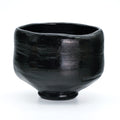
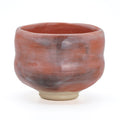
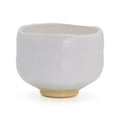
A modern twist on the classic Raku style, this shiro-raku chawan (matcha bowl) features a slightly waisted hantsutsu-gata shape and is glazed in a soft, pure white that accentuated the colour of the tea.
Specifications
Made in Japan. Ships from the United States.
Width: 11.5 cm (4.5 in) (Widest Point)
Height: 9 cm (3.5 in)
Please note that due to the organic nature of handmade teaware, there may be slight variations between pieces.
Raku-yaki Ceramics
One of Japan's most recognisable styles, Raku-yaki (楽焼) or Raku ware was developed by famous tea master Sen-no-Rikyu in the late 16th century. Perhaps inspired by the recently created 引き出し黒 (hikidashi-guro) technique used to produce the Seto-guro style of black chawan, Rikyu collaborated with tile-maker Chojiro to produce a new style of ware for use in the tea ceremony. Hand-formed from porous clay rather than wheel-thrown, Raku chawan are then coated in a lead glaze, fired at low temperatures, and removed from the kiln while still glowing hot. Most Raku chawan exist in two styles: Aka-raku (red raku), and Kuro-raku (black raku).
Raku-yaki’s porosity and delicate nature means it requires special care. New Raku pieces should be soaked in warm water with rice for about 15, though care should be take not to leave Raku ware submereged for too long or it will begin to disintegrate. The rice water will enter the pores in the clay, strengthening the bowl, and slow any staining or cracking. However, glaze cracking and staining will still naturally occur over time, which is part of the nature of Raku ware
Meet Touan (陶葊)About the Artist
Founded in 1922 at HIgashiyama Senyū-ji Temple, Touan has since become one of the largest Kyo-yaki and Kiyomizu-yaki producers, with over 20 artisans hand-crafting and painting each piece. In contrast to the standard overglaze painting technique that Kyoto ceramics are known for, Touan has developed an underglaze technique that produces the same vibrant colours and delicate lines, but is more durable due to the glaze being layered on top of the painting.
Touan is headed by fourth generation potter Dobuchi Yoshiaki (土渕善亜貴) who is known for his stunning developments in glazing, creating Touan's new signature crystal flower glaze. Additionally, he is one of only a handful of potters who has successfully replicated the elusive yōhen tenmoku glaze.
How To Care For Raku
Because of their porosity, raku chawan are very 'soft' and delicate. Before its first use, we highly recommend soaking the entire piece in warm water for 30 minutes, allowing water to enter and tighten the gaps in the clay, before air drying it completely. For additional strengthening, rice water (the cloudy water left when washing rice) can be used, with the tiny rice particles helping fill the gaps in the clay. Be sure not to let the bowl soak for too long as the clay might begin to soften.
For each subsequent use, soaking for a few minutes is all that is needed. At first the bowl will produce a clay odour, but this will disappear with time and repeated use.
Due to their porous nature, raku chawan should only be used for preparing matcha and not for holding any type of food.