Shōchikubai Chawan

Eyuki Kiln
Regular price $178.00
Description

This classy Kiyomizu-yaki chawan (matcha bowl) is made in the classic wan-nari shape and features an ivory glaze decorated with a shōchikubai (松竹梅 - pine, bamboo, plum) motif, with carefully hand-painted and gilded pine tree, plum branch, and bamboo stalk.

Also known as The Three Friends of Winter, shōchikubai is traditional East Asian art motif that has its origins in Tang Dynasty Chinese art. Each of the three plants is known for not withering throughout the winter months, thus representing resilience. In Japan, this motif is also heavily associated with New Year's.

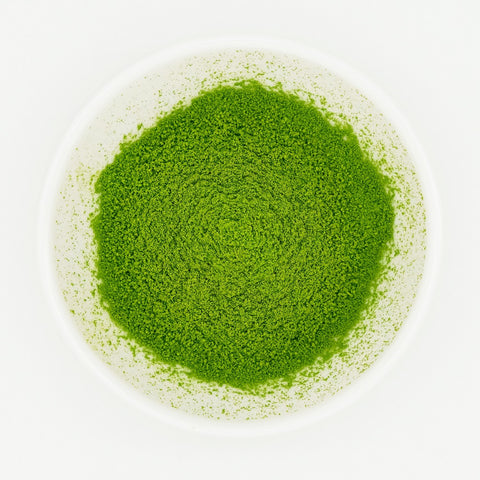
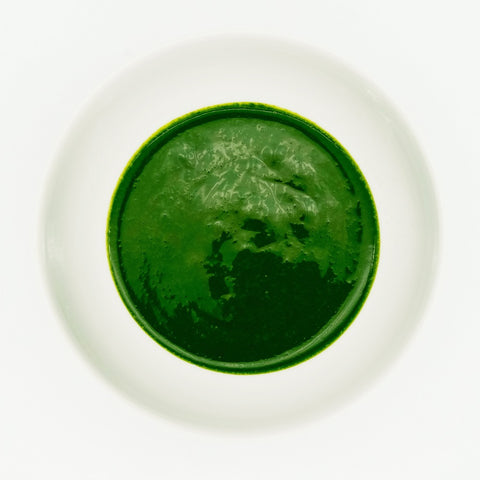
The inside is left clear, allowing the vibrant colour of matcha to shine against the warm white of the glaze.

This chawan was made by Eyuki Kiln (恵雪窯).

Specifications

Made in Japan. Ships from the United States.

Width: 12.4 cm (4.9 in)
Height: 8 cm (3.1 in)

Due to the nature of handmade ceramics, slight variations may occur in color, texture, size, and design

Kiyomizu-yaki (清水焼) (also called Shimizu-yaki) is a type of Japanese pottery that traditionally comes from Gojōzaka district near Kiyomizu Temple, in Kyoto, Japan. A subset of Kyo-yaki which refers to all pottery made in the Kyoto area, Kiyomizu ware has been produced since the 16th century

There are many styles of chawan produced in the Kyōto area and few are as synonymous with the term Kyō-yaki (京焼 - Kyōto wares) as the colourful overglaze painted styles. While there is no agreed upon term for the general Kyōto style, the term iro-e ( 色絵 - colourful paintings) refers to the technique of overglaze painting. Unlike the painted styles detailed above which used iron pigments applied underneath a transparent glaze, overglaze decoration uses enamels applied on top of the glaze. This allows for much more colourful and detailed designs and images. The development of this style can be traced to three individual potters. Nonomura Ninsei (野々村仁清) and his student Ogata Kenzan (尾形 乾山) pioneered the style in the early-mid Edo period. Later in the 1700s, Okuda Eisen (奥田頴川) introduced porcelain technology to Kyōto which made overglaze painting easier.

Iro-e

★★★★★
★★★★★
★★★★★
★★★★★